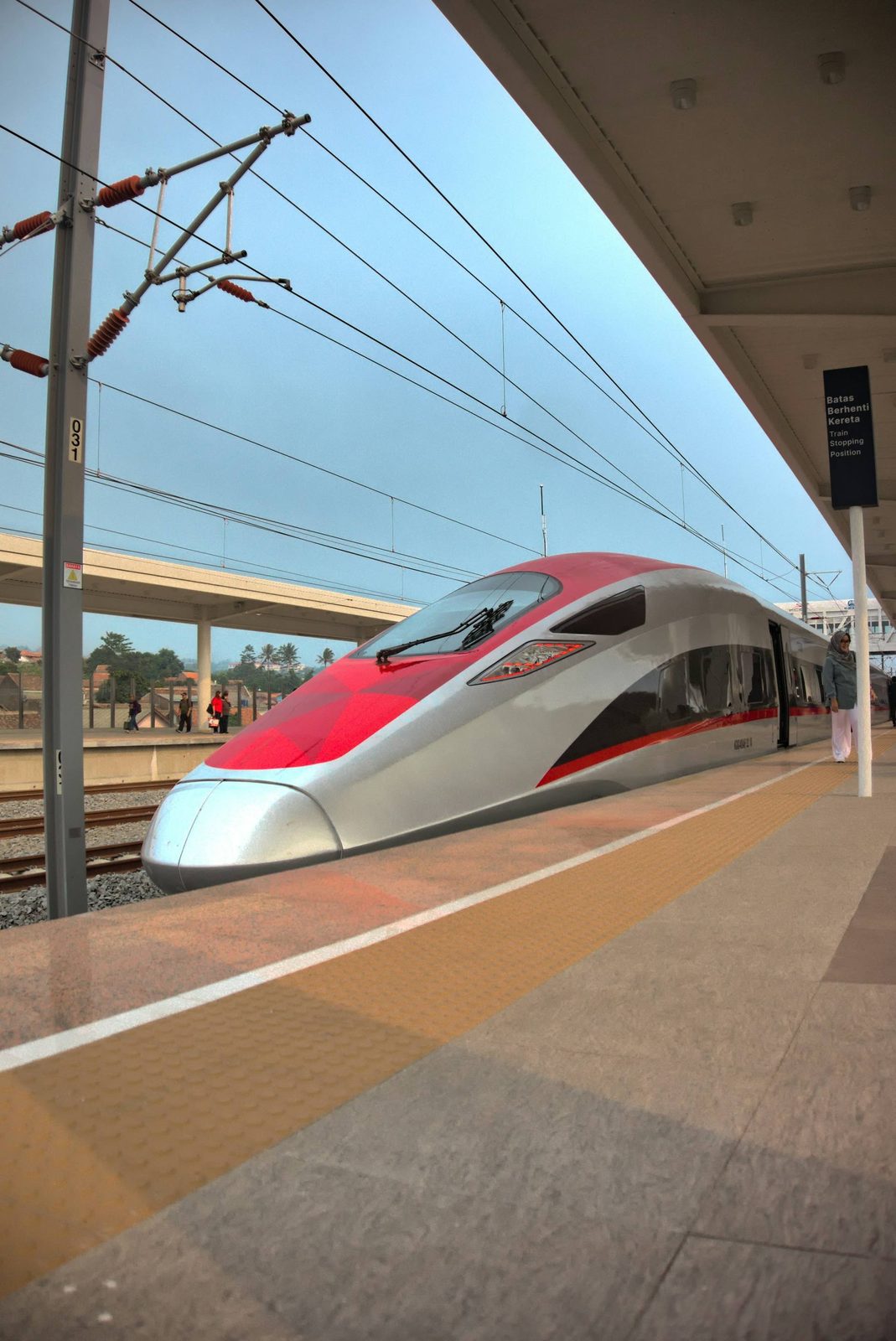
Trains or buses in Europe.
One search to compare every option, one app for the cheapest international legs. We explain when the train is worth the price, when the bus costs half as much — and how to buy your ticket at the best rate.
One search to compare every option, one app for the cheapest international legs. We explain when the train is worth the price, when the bus costs half as much — and how to buy your ticket at the best rate.
To travel Europe for less, compare every option in one search on Omio — trains, buses and flights side by side — and pick whatever makes the most sense. On short international legs FlixBus is usually cheapest: often three times less than the train. Take the train when time and comfort matter; take the bus when price does.
It comes down to one thing: time versus money. Trains are faster, more spacious and drop you right in the city centre; buses are cheaper and reach places where tracks don't go. On most international legs under five hours, FlixBus costs three times less than the train — the difference between €12 and €38 for the same route is real money on a multi-city itinerary.
| Service | Covers | Standout feature | Best for |
|---|---|---|---|
| Omio Compare | Trains, buses, flights | One search — all options at once | Cheapest city-to-city connection |
| FlixBus | Buses across Europe | Lowest fares | Short legs, Poland |
| Trainline | Mainly trains | Narrow coverage | UK |
| National operator website | One country's trains | No comparison or connections | Single operator |
We start with Omio: it pulls every mode of transport into a single set of results, so you can see at a glance whether a train, bus or airline is the better deal. If the answer is "bus" — FlixBus typically has the lowest fares and the widest network across Central Europe and Poland.
High-speed trains work on airline-style pricing — cheap promotional fares sell out first. Bus prices move less, so last-minute bus tickets are often the better deal.
Run your route through Omio — you'll see train, bus and flight together. Then check bus prices directly on FlixBus.
An overnight train or bus replaces one night in a hotel — a quiet saving on a long itinerary.
Save mobile tickets to your phone before you reach the platform — and keep your eSIM data on so QR codes load without delay.
Usually the bus. On most international legs under five hours, FlixBus costs roughly a third of the train fare — the difference between €10 and €35 per leg is real. The train wins on speed and comfort, and on long high-speed routes when you book early. Compare both on Omio for every leg.
Book 4–8 weeks ahead and choose regional trains over express services where speed isn't essential. Promotional fares (Sparpreis, Première Classe, Promo) are available in limited numbers — search for them on Omio, where all options appear side by side. Flexibility on dates can save up to 50% on popular routes.
Omio. Trainline focuses mainly on the UK and France, while Omio covers trains, buses and flights across the whole of Europe in a single search. For comparing all options, Omio is more versatile; for travel within the UK, Trainline works too, but Omio covers it just as well.
Individual tickets win more often. Interrail / Eurail only pays off on very intensive itineraries — roughly 5–6 legs in 10 days or more. On most routes, promotional tickets booked in advance through Omio come out cheaper than a pass, even factoring in the mandatory supplements for high-speed trains.
Worth it on journeys over 6–8 hours. A night train replaces a hotel night: you travel while you sleep, saving €40–80 on accommodation. The most convenient networks right now are ÖBB Nightjet (Vienna — Brussels, Vienna — Rome, Vienna — Amsterdam) and Intercités de nuit (Paris — Nice). Search overnight routes and compare seat classes on Omio.
Ideally 4–8 weeks out. That's when most promotional allocations appear for TGV, ICE, Thalys, Eurostar and other high-speed services. Three weeks before departure, cheap tickets disappear fast and prices climb. FlixBus fares move less, so buying 1–3 days ahead can still be good value.
Yes, free of charge. FlixBus allows one large suitcase in the hold and one piece of hand luggage — no extra fee. On most European trains, the overhead racks fit any standard suitcase; there are no limits on the number of bags. Bicycles require an add-on and often a reservation.
Generally yes. FlixBus and other major operators use official bus terminals; coaches have seatbelts and onboard staff. The usual overnight-travel precautions apply: watch your valuables, keep luggage in sight and charge your phone before boarding. Night trains are considered slightly more comfortable for sleeping.
Almost never. Omio and FlixBus issue mobile tickets you show on your phone. Save them offline before you board and keep your data on (an eSIM is a lifesaver here) — that way QR codes and platform information load without a hitch.
Omio is the best general option: one search covers trains, buses and flights across Europe. For buses specifically, FlixBus typically has the lowest fares and the widest network in Central Europe.
Usually by bus or low-cost airline. FlixBus often offers fares from €5–15 between major cities when you book 2–4 weeks ahead. On journeys of 2–5 hours, low-cost carriers (Ryanair, Wizz) can undercut the train, but once you add the airport transfer the bus frequently wins on total time and cost. Compare all three on Omio.
It depends on the route, but the train is often competitive. A low-cost airline looks cheaper at the base fare, but add the airport transfer (€10–25 each way), baggage fees and possible delays. The train drops you in the city centre, and a promotional TGV or ICE ticket often costs the same as a budget airline with extras. The quickest way to compare the true total is Omio.
Maps and mobile tickets working the moment you land.
Read → 🚗For coasts and mountain villages the trains don't reach.
Read → 🎫Skip-the-line entry tickets — best booked in advance.
Read → 🛡Peace of mind: medical cover, COVID, baggage, cancellation.
Read → ✈️The cheapest flights across Europe in one search.
Read →A new European city in detail — how to get there for less, what to skip, and which booking saves the most. No noise.