In brief
The best way to get here — by train from Berlin, Vienna or Dresden: scenic, comfortable and no more expensive than flying once you factor in the trip to the airport. Budget alternative — FlixBus. In the city itself you don’t need a car: trams and the metro handle everything, and the historic centre is almost entirely pedestrianised. Two to three days is plenty.
How to get there
Prague is brilliantly connected to neighbouring capitals by rail. From Berlin a direct EC train takes around 4.5 hours via Dresden — a scenic ride, sit back and watch out the window, no airports involved. From Vienna — around 4 hours on the Railjet, from Dresden just 2.5 hours. Tickets are cheaper when bought 2–4 weeks ahead; Omio is convenient for comparing both trains and buses in a single search.
If your budget is tight — FlixBus and RegioJet run from the same cities for €10–20. Slightly longer, but always with power sockets and Wi-Fi.
Compare tickets on Omio →
More on the logic of choosing between train and bus — in the guide trains and buses across Europe.
Do you need a rental car
Honestly: in Prague a car is not needed. The tram network is dense and runs around the clock, the metro gets you quickly to and from the airport, and the historic centre is almost entirely pedestrianised. City-centre parking is expensive and a headache — pure stress.
A car only makes sense if you want to head out of the city independently — to Kutná Hora or Ceský Krumlov. But both have direct trains or convenient full-day tours — with a guide it’s often simpler and cheaper.
Compare cars on Discover Cars →
If you do plan to hire a car — read our car rental guide: what to check in the contract and how not to overpay for insurance.
What to see and which tours to take
Prague is compact — the main sights can be covered on foot in one or two days. That said, a few places are better visited with a guide: it saves time and adds context.
- Prague Castle — the largest castle complex in the world. The views over the city from up here are worth the climb. Queues for St Vitus Cathedral are enormous — in peak season it’s worth booking entry in advance.
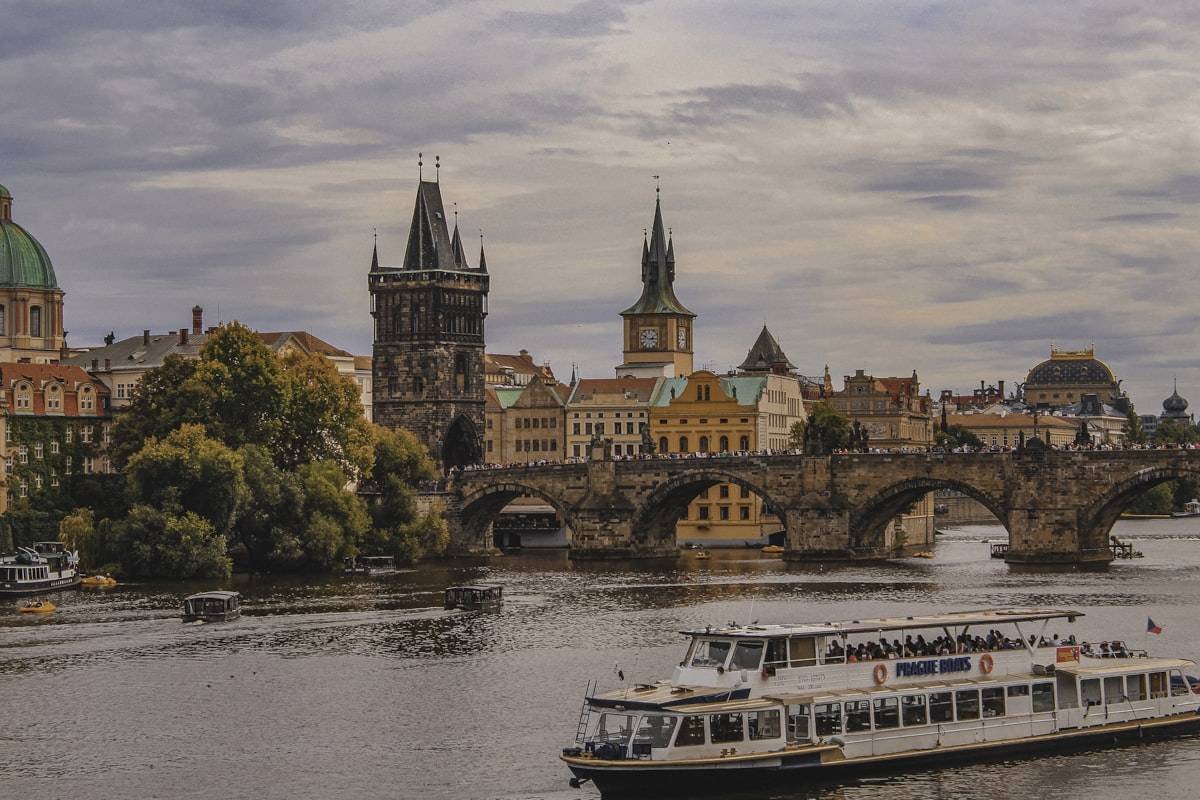
- Charles Bridge and the Old Town — come to the bridge at dawn, when there are still no tourists. The Astronomical Clock strikes every hour; watching it from the crowd below is pointless — better to climb the nearby tower instead.
- The Jewish Quarter (Josefov) — six synagogues and an old cemetery. A UNESCO site; an audioguide or a small walking tour is particularly worthwhile here.
- A full-day trip to Kutná Hora — the ossuary at Sedlec (a chapel made of human bones) and St Barbara’s Cathedral. One hour by train from Prague; GetYourGuide offers guided tours with transfers.
Beer tastings and brewery tours are a genre of their own. The Pilsner Urquell brewery in Plzeň (40 minutes by train) and local craft beer cellars are worth an entire evening.
Browse tours on GetYourGuide →
On how we choose tour operators and what we check before making a recommendation — how we choose tours.
One more practical point: to have maps, tram timetables and museum tickets ready from the moment you land, it’s convenient to install an Airalo eSIM in advance — no need to hunt for a SIM kiosk or waste time at the airport.
FAQ
How many days do you need in Prague?+
Two to three days covers the main sights. In one or two days you can see the Old Town, Prague Castle and Charles Bridge; the third day is ideal for Josefov or a full-day trip to Kutná Hora. If you want a slower pace and a few evenings in pubs — book four nights.
When is the best time to visit Prague?+
The sweet spot is May–June and September–October: warm, bright and noticeably fewer tourists than in July–August. Spring is beautiful with blossoming gardens around Prague Castle; autumn — golden leaves on Charles Bridge. Winter (December) — Christmas markets and a nearly empty historic centre in the mornings, but cold. July–August — peak season: longer queues, higher prices.
How do you get to Prague cheaply by train or bus?+
The cheapest option — FlixBus and RegioJet coaches from Berlin, Vienna, Warsaw or Dresden for €10–25. Trains are slightly more expensive but more comfortable: direct EC from Berlin in ~4.5 h, Railjet from Vienna in ~4 h. Tickets get cheaper 3–4 weeks before departure — trains and buses in one search are convenient to compare on Omio.
Do you need a visa and what currency is used in Prague?+
Czechia is an EU and Schengen member. The currency is the Czech koruna (CZK); euros are not officially accepted, though some touristy places will take them at an unfavourable rate. Withdraw Czech korunas from ATMs: the exchange offices on Wenceslas Square charge steep commissions.
Do you need cash in Prague, or is a card enough?+
Cards are accepted at most restaurants, shops and museums, but cash in Czech korunas is still needed in small cafes, at markets and on trams (machines take coins). Ideally: 1,000–2,000 CZK cash for the first few days, the rest on card. Withdraw from bank ATMs (Raiffeisenbank, Komerční banka), avoid exchange offices advertising «no commission» — they hide the margin in the rate.
Is Prague expensive?+
Prague is cheaper than most Western European capitals: a cafe meal — €5–10, a beer in a bar — €1.50–2, a tram ride — around €1. A budget day for two people (food, transport, one paid attraction) — €40–60. Touristy restaurants on Wenceslas Square and near Charles Bridge are noticeably pricier — step one street back.
What to see in Prague in 2 days?+
Day 1: morning — Charles Bridge at dawn, then the Old Town and the Astronomical Clock, climb the Old Town Hall tower; evening — a stroll through Malá Strana. Day 2: Prague Castle (St Vitus Cathedral + Royal Palace), afternoon — the Jewish Quarter Josefov. Guided tours of both sites help you skip the queues — check options on GetYourGuide.
How do you get around Prague?+
Trams, the metro (3 lines) and buses serve the whole city. The historic centre is pedestrianised — from Charles Bridge to Wenceslas Square is 15 minutes on foot. A daily ticket costs around €3.50 and covers all public transport. Taxis and Bolt work fine, but the centre gets congested. Bikes and scooters are available, but the cobbled streets make riding uncomfortable. To have maps and tram timetables working from the moment you land — install an Airalo eSIM in advance.
Is a full-day trip to Kutná Hora or Ceský Krumlov worth it?+
Definitely, if you have even one spare day. Kutná Hora (the Sedlec Ossuary + St Barbara’s Cathedral) — the most popular option, one hour by train. Ceský Krumlov (a medieval town and castle in a river bend) — more scenic, but further: 2.5 hours by bus. In peak season it’s more convenient to book a tour with transport on GetYourGuide — no need to worry about timetables.